
Opposition claims many killed in post-election protests in Tanzania
Unrest continues to keep Tanzania in its grip following contentious elections. The main opposition party has accused the regime of excessive violence, with claim of at least a 1,000 being killed. For now, the truth remains opaque.
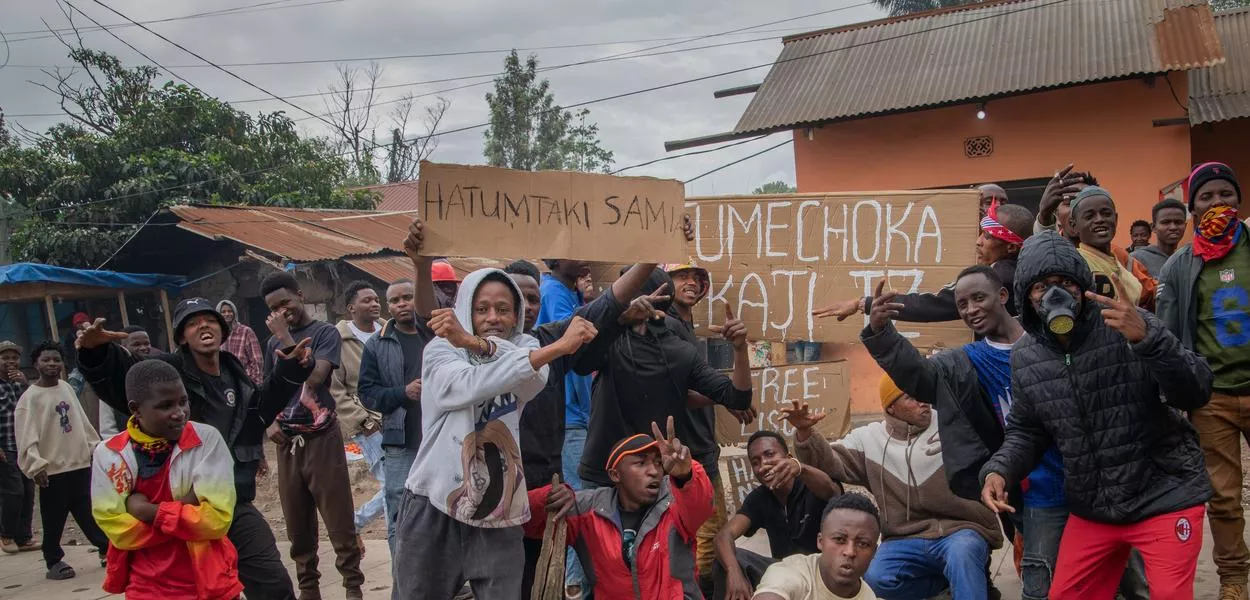
Dar es Salaam (dpa) – The largest opposition party has accused the security forces in the East African country of excessive violence and of killing demonstrators during protests following the recent election in Tanzania.
"Many of them have been shot in the head," Deogratias Munishi, the secretary of the Party for Democracy and Progress (Chadema), told dpa on Tuesday.
Munishi said that the security forces have acted ruthlessly against civilians and fired live ammunition without warning.
Since the outbreak of protests last Wednesday, there are fears that hundreds of people may have died. The opposition even claims that at least 1,000 demonstrators have been buried in mass graves. These claims cannot be verified.
The internet has been shut down for days, and the telephone network is severely disrupted. This also makes it difficult to get a clear picture of the extent of the violence.
President Samia Suluhu Hassan won the election on October 29 with 97.66% of the votes, according to official results. Violent protests against the exclusion of key opposition candidates had already erupted on election day.
Families urged to report missing relatives
On Tuesday, the authorities urged the population for the first time to report missing family members to the police. The police stated they would assist in identifying bodies and arranging for burials.
According to party secretary Munishi, bodies are being collected from roadsides, hospitals and mortuaries in numerous cities across the country and buried in mass graves.
The party is calling for an investigation into the incidents since election day by an independent UN commission.
"The real figures of people killed, injured and arrested during the protests must be established," said Munishi.