
Tunisia calls EU parliament rights resolution 'blatant interference'
Tunisia has lashed out at the European Parliament for its resolution call for the release government critic Sonia Dahmani. Dahmani has in fact been released under restriction. But President Kais Saied is furious at what he termed "blatant interference."
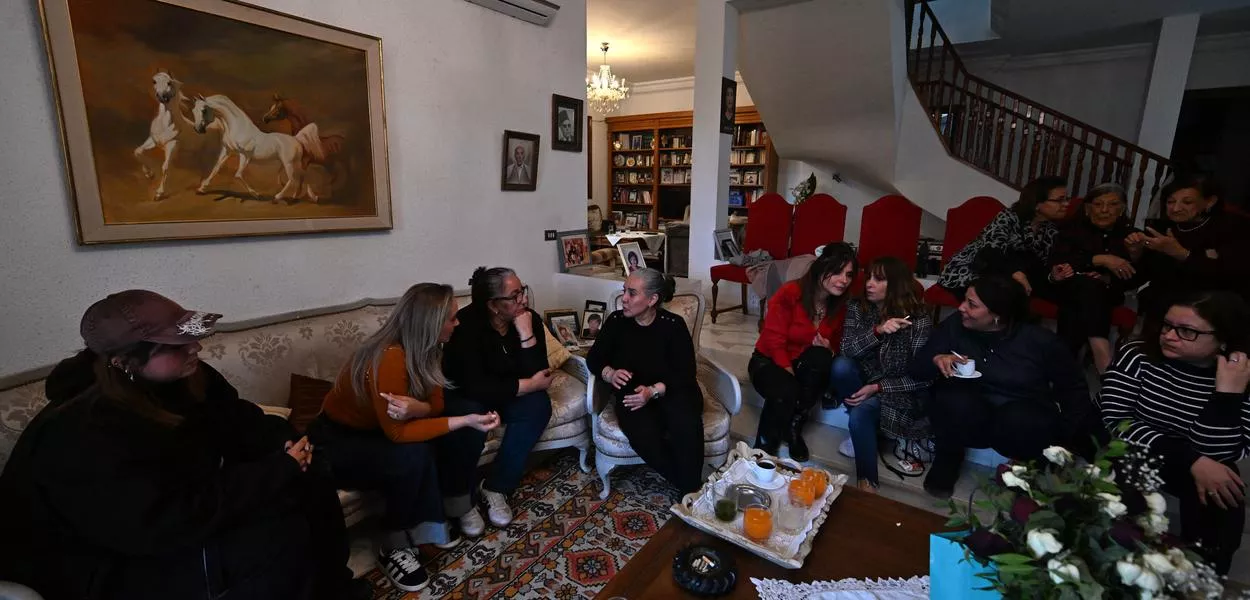
Tunis (AFP) - Tunisian President Kais Saied on Friday condemned a European Parliament resolution on human rights calling for the release of his critics as "blatant interference".
The EU Parliament resolution, voted by an overwhelming majority the day before, called for the release of Sonia Dahmani, a lawyer and popular critic of Saied, who was freed from prison Thursday but remained under judicial supervision.
"The European Parliament (resolution) is a blatant interference in our affairs," Saied said in a video statement.
"They can learn lessons from us on rights and freedoms."
EU ambassador carpeted
Saied's condemnation also came two days after he summoned the EU's ambassador for "failing to respect diplomatic rules" in the North African country.

Saied was heard in the video statement telling Foreign Affair Minister Mohamed Ali Nafti to "strongly protest to a representative of a foreign country accredited in Tunisia" also accused of interference, though unnamed.
"Anyone who disrespects our country or ignores the rules of international conduct must understand that we will not accept this, and we will hold them fully accountable for their actions," he added.
Dahmani, 60, was arrested by masked men in May 2024 and faced charges in several cases over her comments on radio and television denouncing racism in Tunisia.
She was convicted in at least three cases in recent months, including under a law Saied enacted in 2022 to prohibit "spreading false news".
European Parliament urges repeal of Tunisian law
The EU Parliament's resolution also called for the repeal of the law, "which has led to prosecutions for expressions of opinion, and of all abusive legislation used to limit freedoms".
It also demanded the release of "all those detained for exercising their right to freedom of expression, including political prisoners and human rights defenders" in Tunisia.
Saied was elected in 2019 after Tunisia emerged as the only democracy to come out of the Arab Spring.
In 2021, he staged a sweeping power grab, and human rights groups have since warned of a rollback on freedoms.
Dozens of Saied's critics are currently being prosecuted or held behind bars.
Some 40 people including prominent political figures currently stand trial over charges of "conspiracy against state security" and "belonging to a terrorist group".
A verdict on their appeal is expected to be issued Friday, after they were handed sentences of up to 66 years last April.