
ASEAN must 'push for change' in Myanmar: top EU rights official
While the military and guerrilla groups are fighting each other in Myanmar, the contry's junta leader has scheduled elections for the end of December. The ASEAN states will shortly discuss how to deal with the issue. The European Union has already made a clear assessment.
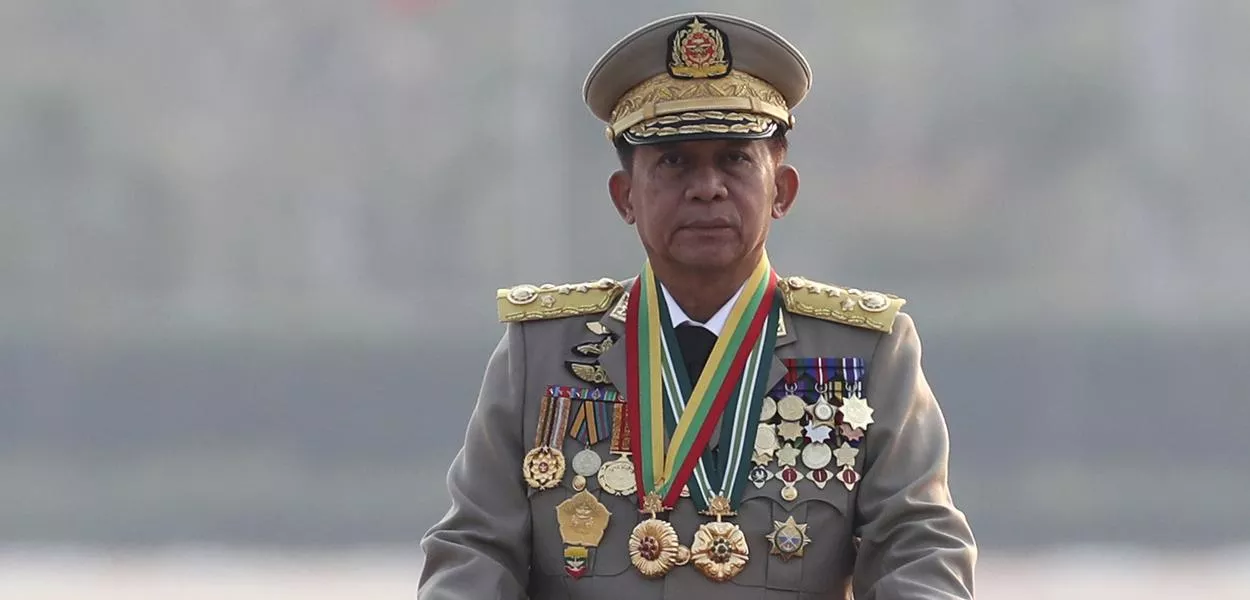
Kuala Lumpur (AFP) - The European Union will not send observers to Myanmar's upcoming election, its top human rights official said Friday, dismissing the vote as neither free nor fair and urging Southeast Asian nations to "push for change". "We're calling upon all neighbouring countries, including the ASEAN countries, to really firmly push for a change of course," EU commissioner Kajsa Ollongren told French news agency AFP in an interview in Kuala Lumpur.
Myanmar junta chief Min Aung Hlaing has touted the December 28 elections as a path to reconciliation in the civil war he sparked by snatching power in a 2021 coup. But international monitors, including a UN expert and Amnesty International, have dismissed the vote as a ploy to legitimise continuing military rule.
ASEAN will discuss Myanmar's election next week
"As long as Myanmar is unstable, as long as it's sort of a source of instability for the whole region, it should be the number one concern... for the ASEAN countries," Kajsa Ollongren said. Her s call comes ahead of a major ASEAN summit in Kuala Lumpur next week, where the issue of sending election observers to represent the 10-nation bloc is expected to be discussed. ASEAN has been battling to implement a five-point plan, which calls, among other issues, for an immediate ceasefire in Myanmar.
Malaysia is this year's rotating chair of ASEAN -- long derided by critics as a toothless talking shop -- and calls at previous summits and meetings for an end to fighting have yielded little effect.
Not the entire country will be able to vote
Myanmar's vote will be blocked in huge enclaves of the country captured by an array of pro-democracy guerillas and long-active ethnic minority armies which have found common cause fighting the junta. The government in Myanmar's capital city Naypyidaw has already conceded elections will not take place in one in seven national parliament constituencies, many of them active war zones, while martial law remains in place in one in five townships.
Ollongren called on all parties in Myanmar to stop the violence, "that they change course, that they enter into a true dialogue with all parties concerned. And from there on, transition to peace and start building a country where you will have free and fair elections in the future," she said.
The planned vote was "not free and fair by the way it is being organised," Ollongren said. "That means that we cannot recognise these as real elections, as fair. Therefore, based on these criteria, we will not send observers to something that we don't recognise as an election," she said.