
Myanmar invites foreign media coverage of junta-run election
In two months, the people of Myanmar are set to vote. Critics accuse the country's junta of merely seeking to legitimize its continued rule. It has now become clear that international media will be allowed to cover the election – but the government will decide which ones.
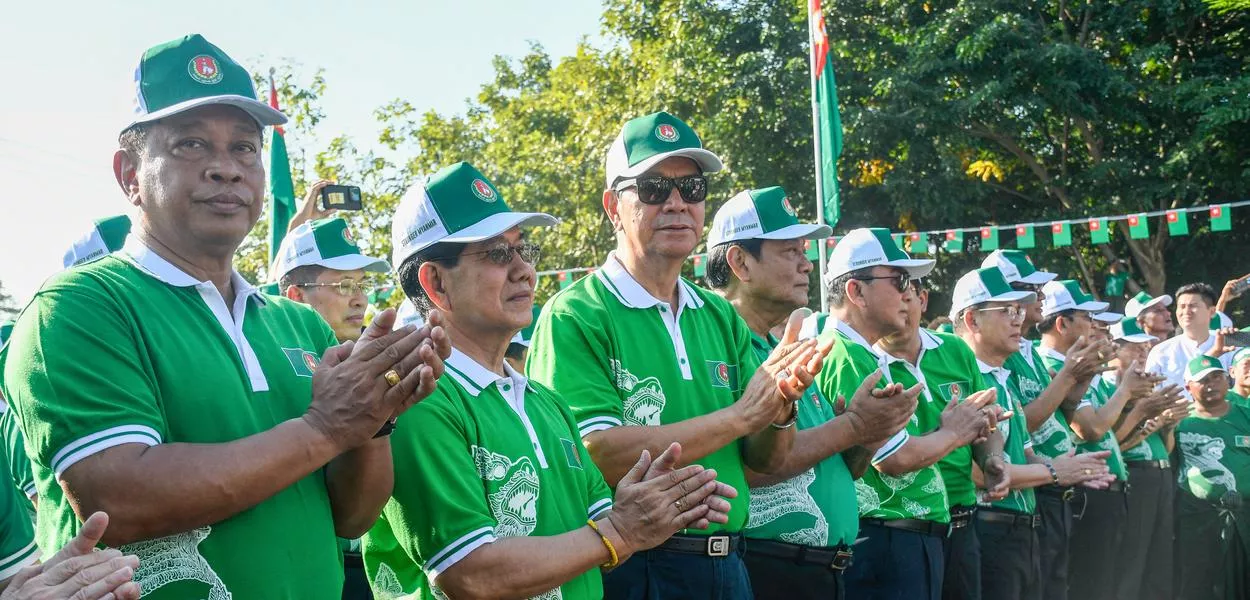
Yangon/Bangkok (AFP/AP) - International media will be allowed to cover Myanmar's upcoming junta-run polls, election authorities said Wednesday, an apparent invitation for foreign press to scrutinise the deeply disputed vote. Critics see the polls, which exclude the main opposition parties, as an attempt to legitimize and maintain the military’s rule.
Myanmar's junta has "shattered the media landscape" with censorship and intimidation since staging a 2021 coup that sparked a civil war, Reporters Without Borders says. Local journalists bore the brunt of the crackdown while foreign media quit the country en masse.
The junta has touted polls starting December 28 as a path to peace, but the vote will be blocked from rebel-held enclaves and monitors are dismissing it as a ploy to disguise continuing military rule.
Information ministry will 'endorse eligible international media organizations'
The junta-stacked Union Election Commission said in a statement "both local and international news media will be allowed to cover" the election, due to unfold in phases over a matter of weeks. The junta-run information ministry "will scrutinize and endorse eligible international media organizations", said the notice in state newspaper The Global New Light of Myanmar. It is not clear what that process will entail and which media outlets will be approved for access to a country which has been largely cut-off by the military coup.
One senior journalist working for an independent Myanmar outlet told French news agency AFP "the invitation is just a part of the process of their claim that they are holding a free and fair election. We won't take any risk dealing with them," he added. "It is not possible to cover independently."
Myanmar's media landscape blossomed during its decade-long democratic thaw, with new domestic outlets springing up and foreign journalists rushing in. Since the military took back power many of those outlets have shut, moved to rebel-held areas or operate secretly or from exile in neighbouring Thailand.
Myanmar ranked third among the world's leading jailers of journalists in 2024, according to the Committee to Protect Journalists. Rights groups have said the election cannot be legitimate with democratic figurehead Aung San Suu Kyi deposed and jailed in the coup, and her vastly popular National League for Democracy party dissolved. Protesting against the poll has been made punishable by up to a decade in prison. Diplomatic sources have told AFP the Association of Southeast Asian Nations (ASEAN) will not send election observers for the vote.
China-brokered ceasefire between military and rebel group TNLA
Meanwhile, a major ethnic rebel group in Myanmar has announced it signed a cease-fire with the military following China-mediated talks, easing months of intense fighting in the country’s northeast near the Chinese border. The ceasefire with the Ta’ang National Liberation Army (TNLA) marks a significant victory for Myanmar’s military government, which has regained territories ahead of the elections to start December 28. China has major geopolitical and economic interests in Myanmar and is deeply concerned about instability along its borders. China is also the most important foreign ally of Myanmar’s military, which took power after ousting the elected government of Aung San Suu Kyi in February 2021. The takeover led to nationwide peaceful protests that escalated into civil war.
The TNLA is part of the Three Brotherhood Alliance, which also includes the Myanmar National Democratic Alliance Army and the Arakan Army. They have been fighting for decades for greater autonomy from Myanmar’s central government and are loosely allied with the pro-democracy resistance groups that emerged after the army takeover. Since October 2023, the alliance captured and controlled significant swaths of northeastern Myanmar near the Chinese border and in western Myanmar. Their advance slowed following a series of China-brokered ceasefires earlier this year, allowing the army to retake major cities, including Lashio city in April and Nawnghkio in July.