
New Zealand parliament suspends lawmakers who performed Māori haka in protest
Three New Zealand lawmakers were suspended from parliament after performing a haka in protest against a widely unpopular bill, with their political party, Te Pāti Māori, saying this signals parliament has sent a message that Māori identity is a threat to New Zealand’s democracy.
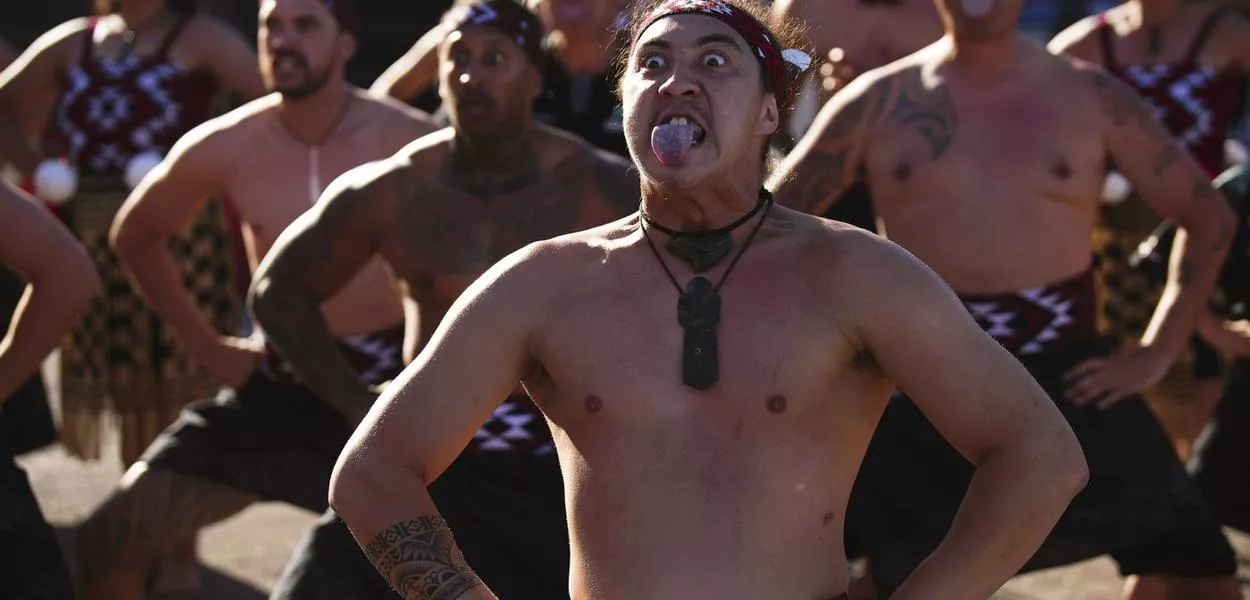
Wellington (dpa) - Three lawmakers in New Zealand were formally suspended from parliament on Thursday for performing a traditional Māori dance, or haka. The three lawmakers, from the Te Pāti Māori party, performed the haka in November to oppose a widely unpopular bill, now defeated, that would have defined the principles of New Zealand's founding document and they said would reverse Indigenous rights.
On Thursday, parliament voted to ban party leaders Debbie Ngarewa-Packer and Rawiri Waititi for 21 days. The previous longest ban from the country's parliament was three days. Hana-Rāwhiti Maipi-Clarke, New Zealand's youngest lawmaker at 22, was given a seven-day ban. All three will receive no pay during their suspensions.
'Māori identity is a threat to New Zealand’s democracy'
"Parliament has sent a message to our mokopuna [future generations] that their Māori identity is a threat to New Zealand’s democracy," the party wrote on X. "We reject the mischaracterisation of our haka as contempt and intimidation."
The party's lawmakers acted with integrity, in defense of the country's founding documents, Te Tiriti o Waitangi, it said. "We do not ask for sympathy; we ask for your participation," the post continued. "Turn this moment into power and make this a one term government."
Important part of Māori culture
The protest drew global headlines and provoked months of fraught debate among lawmakers about what the consequences for the lawmakers' actions should be and whether New Zealand's Parliament welcomed or valued Māori culture — or felt threatened by it.
Haka has its origins in Māori mythology with the wiriwiri, the quivering hand and body gestures, resembling the waves when heat rises from the earth. Haka was the customary way to welcome visiting tribes but it was also performed to prepare warriors for battle.
Today, haka is performed on important occasions, including sporting events, funerals, weddings, graduations and welcoming ceremonies.
writer