
EU top court strengthens rights of married same-sex couples
Same-sex couple who marry in one EU nation must see their union recognised in another member state, even if those states don't allow same-sex marriage. That is the ruling of the ECJ, strengthening the rights of same-sex couples.
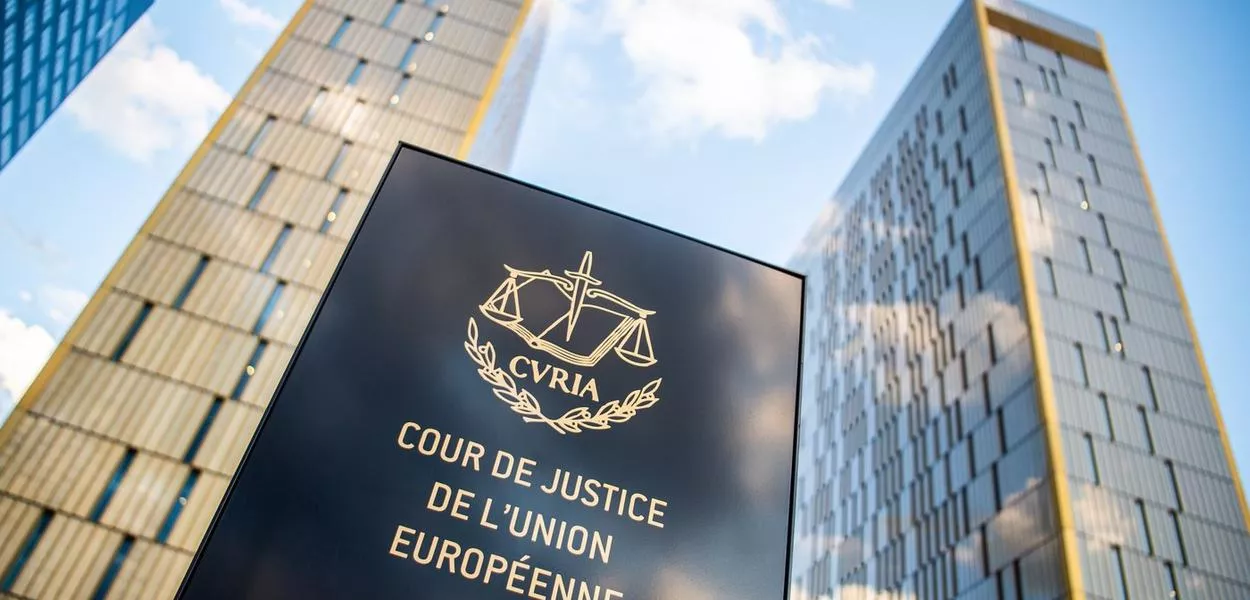
Warsaw/Luxembourg (AFP/dpa) - The European Union's highest court, the Court of Justice of the European Union, on Tuesday backed the rights of same-sex couples, ruling that EU countries that don't allow same-sex marriages in their jurisdiction have to recognise marriages concluded in another member state.
The court ruled in favour of a Polish couple who got married in Germany. One of them has the German nationality, they married in Berlin in 2018 while residing there. After moving back to Poland the couple's request to transcribe their marriage certificate in the Polish civil register was however refused on the grounds that Polish law does not allow same-sex marriages.
The spouses challenged the decision, prompting the Polish Supreme Administrative Court to call on the European Court of Justice (ECJ) for guidance in the case.
The ECJ clarified that the couple's rights under EU law were infringed when their marriage certificate was not recognised in Poland. "The spouses in question, as EU citizens, enjoy the freedom to move and reside within the territory of the Member States and the right to lead a normal family life when exercising that freedom and upon returning to their Member State of origin," the court said.
It said "such a refusal is contrary to EU law" and "infringes not only the freedom to move and reside, but also the fundamental right to respect for private and family life".
The court however stressed that the ruling "does not require marriage between persons of the same sex to be introduced under domestic law" but requires all EU countries to implement a procedure to recognize same-sex marriages.