
The "Gen Z Revolution": a modern reinterpretation of democratic values
They are fed up with corrupt politicians and empty promises. Young protesters from Generation Z are putting pressure on their governments in Africa, Asia and South America. In doing so, they are putting their own spin on democratic values.
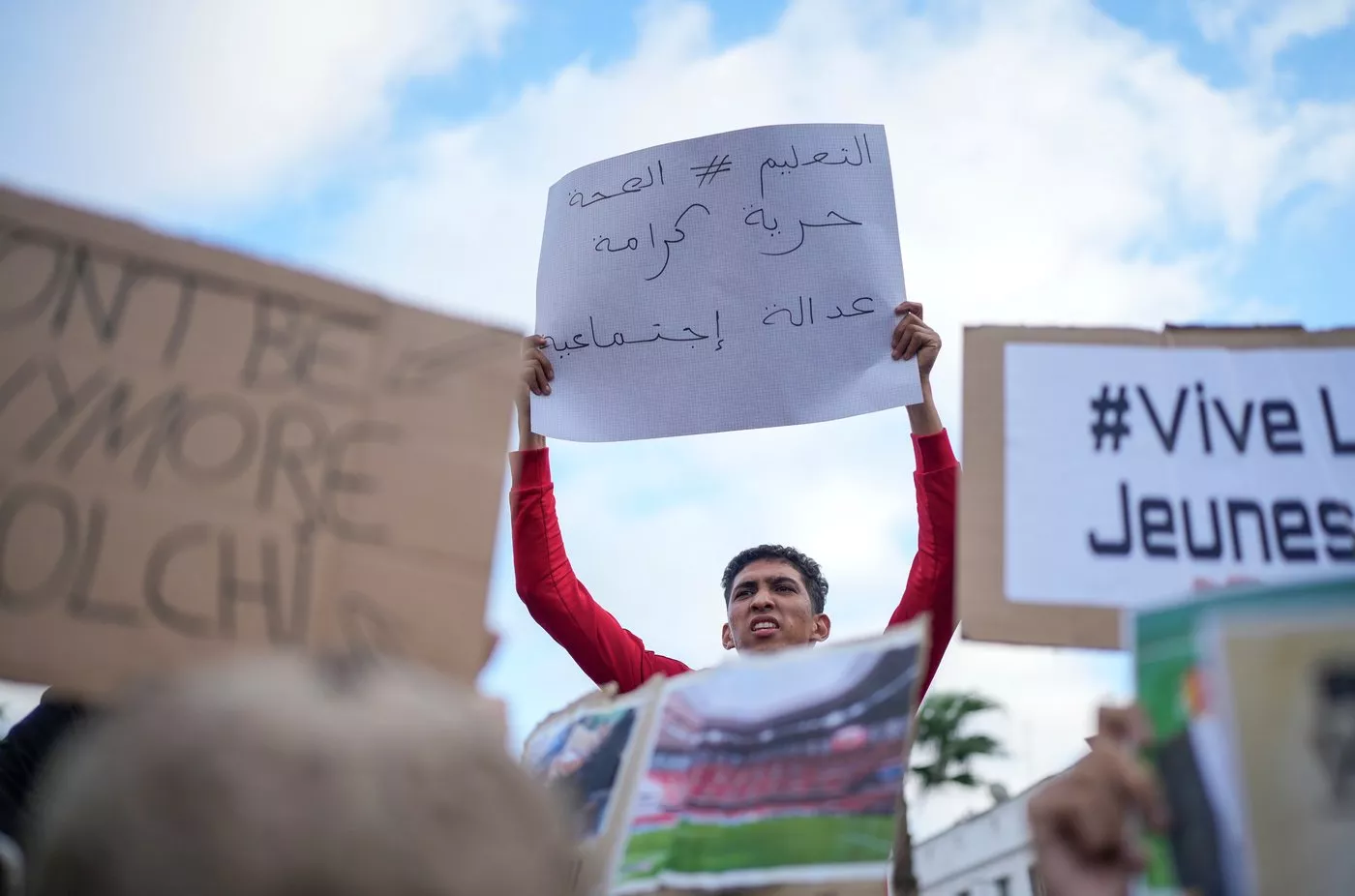
Antananarivo/Rabat/Lima/Kathmandu (dpa) – Whether in Morocco, Madagascar, Kenya, Peru or Nepal – in many parts of the world, young people feel ignored by their governments. They are frustrated by mismanagement, inadequate services and a lack of prospects. Their anger drives them onto the streets.
In the island nation of Madagascar in the Indian Ocean, their protests have now led to the president's downfall – although it remains unclear what will happen next following the military takeover.
The political backgrounds differ from country to country, but the motives are the same: the protesters of ‘Generation Z’, which includes people born between 1995 and 2010, refuse to accept broken promises from their politicians – in Asia, Africa or South America.
The population there is significantly younger than in Europe. But young people, who make up a large part of the population, see no future. They are demanding an end to high unemployment and rising living costs; they want clean drinking water, electricity, good education and healthcare.
Their anger, and also their courage to fight for a better political and economic future, has triggered a wave of protest movements. Among other things, these led to the resignation of a prime minister in Nepal, the dissolution of a government and the flight of the president in Madagascar, strong pressure on repressive rulers in Morocco and the impeachment of an extremely unpopular president in Peru. But they have also led to thousands of arrests, hundreds of injuries and dozens of deaths. Among the pioneers is Gen Z in Kenya, which has been regularly mobilising protests against the government since the summer of 2024.
TikTok, memes and viral symbols
While mass protests were once organised by associations, grassroots organisations or civil society groups, Gen Z communicates via digital platforms such as TikTok, Instagram, Telegram or the gaming app Discord.
‘"Social media provides young activists with a space to share tactical knowledge both within their country and across borders," writes Janjira Sombatpoonsiri, a researcher in the field of digital democracy, in an analysis for the Carnegie Institute. In this way, Gen Z movements around the world have learned from each other, inspired each other and developed "transnational solidarity". Personal experiences shared on social media have grown into collective anger, from which a group identity has developed that then translates into action, explains Sombatpoonsiri.
This phenomenon is not entirely new. Over the past 15 years, protests critical of the government have been increasingly led by young people and shaped by digital networking, says the researcher. This began with the Arab Spring in North Africa and the Middle East (2010–2011), followed by the Occupy Wall Street protest movement in New York (2011) and the Indignados demonstrations against the Spanish government's austerity measures (2011). This was followed by pro-democracy protests in Thailand (2020–2021), Sri Lanka (2022) and Bangladesh (2024).
Madagascar: Struggle for basic needs
Events are currently unfolding rapidly in the south-eastern African island nation of Madagascar. Since the end of September, tens of thousands of young people have been demonstrating against power and water outages, shortcomings in the education system and high unemployment. Despite its considerable wealth of mineral resources, the Indian Ocean nation is one of the poorest countries in the world. Gen Z is fed up with the government justifying its mistakes with a lack of public funds, says a 28-year-old entrepreneur who calls himself Luffy, speaking to the German Press Agency in the capital Antananarivo. The real reason, he says, is mismanagement. "We've had enough of this rhetoric!" says Luffy.
Now, Generation Z has made its demographic weight felt – around two-thirds of Madagascar's 32 million inhabitants are under the age of 30. In the hope of putting an end to the violent protests, President Andry Rajoelina dissolved the government and appointed a new prime minister. But the demonstrators demanded Rajoelina's resignation.
His attempt to dissolve parliament on Tuesday failed: even his own MPs voted in favour of impeachment proceedings. Shortly afterwards, the military took power. Some of the soldiers had already sided with the young protesters over the weekend. Rajoelina has since been flown to an unknown location.

Morocco: Protest against prestige projects
In Morocco, the anger of young people is often directed at the billions being invested in the 2030 World Cup, while the public health and education systems are neglected. The ‘Gen Z 212’ movement – named after Morocco's country code – is largely organised via Discord. Despite massive police violence and hundreds of arrests, the movement remains active and is demanding far-reaching reforms.
"The movement began with a group of educated young people who were concerned about several fundamental problems in the country," says one of the activists, who wishes to remain anonymous in interviews. The demands are simple: "Health, education and a dignified life." They have no political affiliations – "and those who do should keep them to themselves," one of the activists tells the dpa. There are also no links to Gen Z protests in other countries.
The supporters of ‘Gen Z 212’, who have distanced themselves from rioters and looters, present their ideas calmly and objectively. They do not want to damage state institutions, but rather exercise their civil rights and thereby bring about reforms. "We support the monarchy to the core," says one. King Mohammed VI recently asked the movement in an open letter to intervene in the crisis in the North African country.
Peru: From pension reform to general uprising
In Peru, a controversial pension reform was the trigger for nationwide protests. The movement quickly expanded to include issues such as corruption, gang crime and violence. The protests are youth-centred, but also have support from the transport and business sectors.
"People are simply fed up with violence, extortion, insecurity and corruption," political scientist Carlos Fernández Fontenoy told radio station RPP. A spokesperson for the protest movement, Yackov Solano, explained: "We are afraid to go out on the streets because we fear being attacked or even losing our lives.’"
Head of state Dina Boluarte had long been criticised for massive police violence and flaunting expensive watches, and was also under investigation for illegal party financing. Recently, the South American country's Congress removed her from office for "moral incapacity".
Nepal: Social media ban leads to upheaval
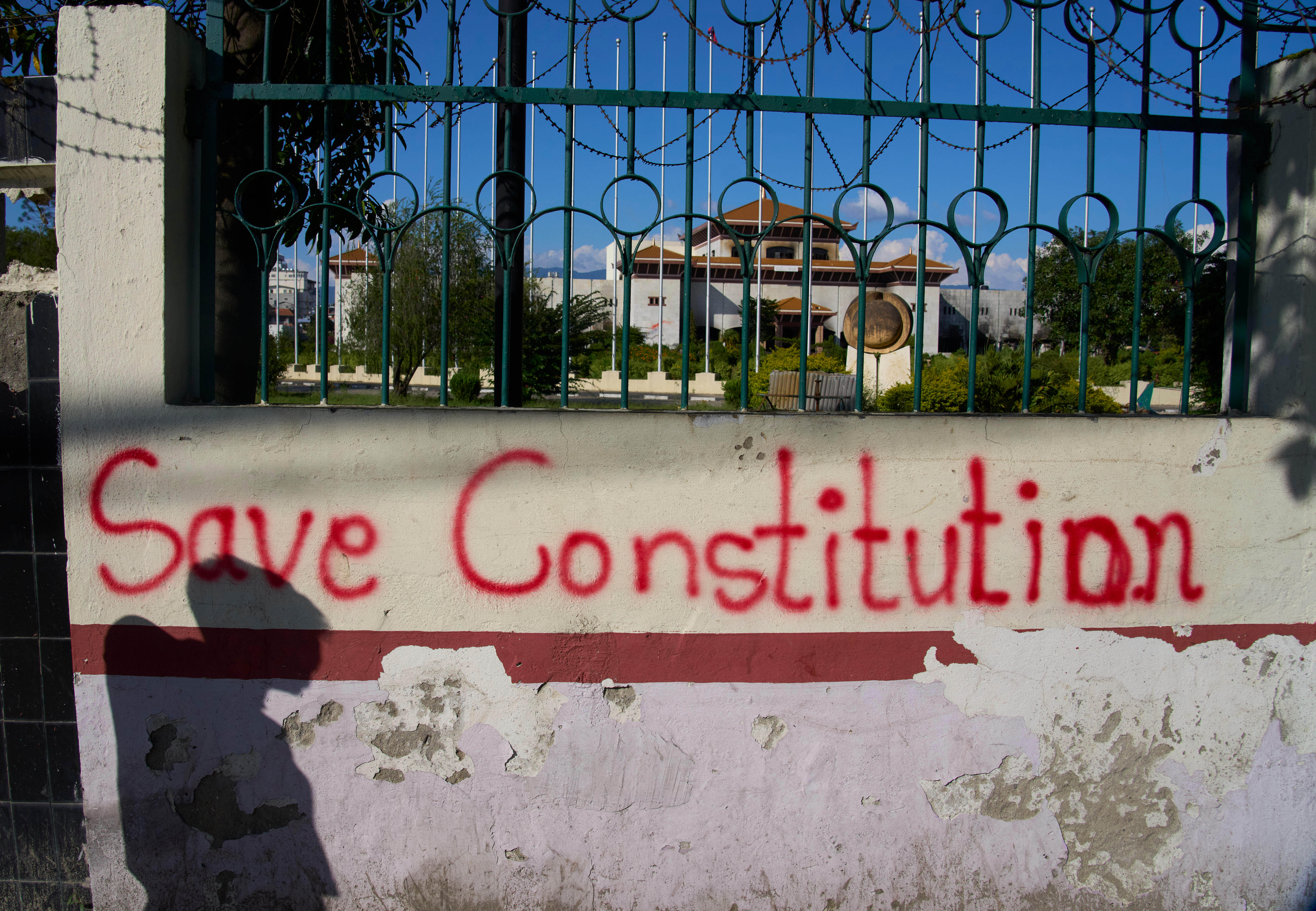
In Nepal, the wave of protests began in September when the government blocked several social media platforms. Within a few days, the situation escalated: mass protests and burning government buildings shook the Himalayan state and ushered in political upheaval. More than 70 people died in the unrest. Prime Minister Khadga Prasad Sharma Oli bowed to pressure from the protesters and resigned. Shortly afterwards, former Supreme Court Justice Sushila Karki was appointed interim head of government in an online vote – the country's first female head of government.
The Gen Z uprising in Nepal was also seen as a warning to those in power in other countries. It wasn't just about anger over the ban on popular apps like Facebook and Instagram. There was also growing political discontent with widespread corruption and nepotism, economic instability and the huge income gap in the country. For example, the hashtag #NepoBabies became a critical symbol for those who profit from nepotism and flaunt their luxurious lifestyles on social media. "Social media was an effective tool during our protests. It is the digital civic space of our generation," says 26-year-old Nepalese activist Rakshya Bam in Kathmandu.