
UN Human Rights Council convenes as crises mount, budgets tighten
Multiplying global crises, financial struggles and boycotts set the stage for the 59th session of the UN Human Rights Council, which began on Monday in Geneva. It will review around 100 reports on crises around the globe.
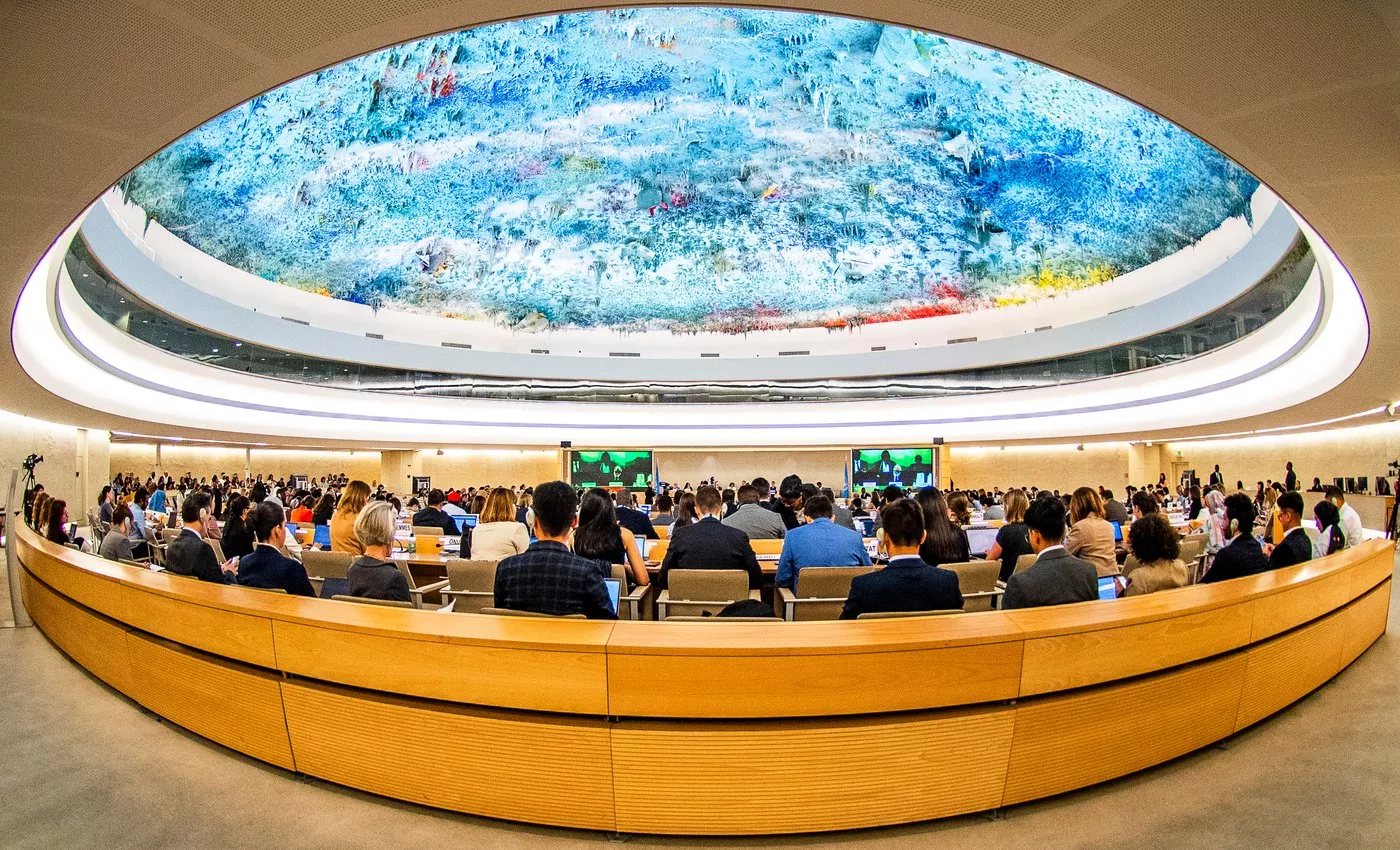
Geneva (dpa) - The UN Human Rights Council began meeting in Geneva on Monday as global crises multiply, with the United States and Israel boycotting the session over allegations of anti-Israel bias.
The office, like many UN bodies, is grappling with severe financial shortfalls as several member states shift budget priorities from international institutions to military spending.
The council will review around 100 reports from independent experts investigating crisis situations around the world, including in Afghanistan, the Democratic Republic of the Congo, Myanmar, Sudan and the Palestinian territories. The session runs through July 9.
Boycotts
Trump, upon returning to the White House, signed an executive order that cut US ties with UN bodies, including the rights council. The order said the council "has protected human rights abusers by allowing them to use the organization to shield themselves from scrutiny."
Israel then announced it was boycotting the council, with the foreign minister saying it "obsessively demonizes the one democracy in the Middle East - Israel."
No authority for sanctions
Despite the absence of Israel and the US, the council retains the authority to examine human rights issues in any country. It operates as a subsidiary body of the UN General Assembly, with 47 elected member states serving three-year terms. While only members can vote on resolutions, all UN states may attend sessions as observers, voice their views, or be the subject of investigations.
But while the council can establish commissions of inquiry, it does not have the authority to impose sanctions.
Sharp criticism against Israel
In his opening speech of the session, UN High Commissioner for Human Rights Volker Türk issued an urgent appeal to governments worldwide to take action in light of the worsening humanitarian crisis in the Gaza Strip. "Everyone in government needs to wake up to what is happening in Gaza. All those with influence must exert maximum pressure on Israel and Hamas, to put an end to this unbearable suffering," Türk said.
He also delivered sharp criticism of Israel's military campaign against Hamas, saying its "means and methods of warfare are inflicting horrifying, unconscionable suffering on Palestinians."
He condemned what he described as "disturbing, dehumanizing rhetoric" by Israeli officials and criticized the ongoing blockade of UN humanitarian aid deliveries, which has been in place since March, leading to a disastrous humanitarian situation.