
EU to step up cooperation with Egypt to curb irregular migration
Concern over migration from war-torn and impoverished regions hangs over virtually all European elections these days. European Commission President von der Leyen met Egyptian President Al-Sissi in Brussels to offer millions in aid and in funding for border security systems.
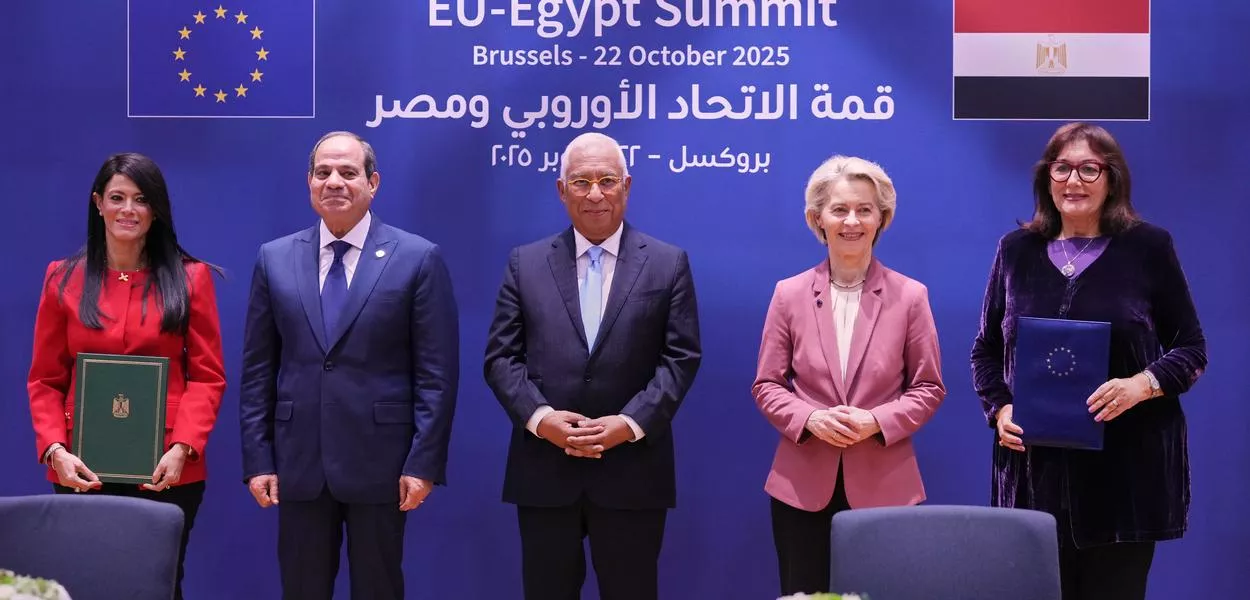
Brussels (dpa) - The European Union plans to expand its cooperation with Egypt to curb irregular migration, despite criticism from human rights groups.
European Commission President Ursula von der Leyen announced new investment commitments in Brussels on Wednesday following talks with Egyptian President Abdel-Fattah al-Sissi.
Under the new agreements, €75 million ($87 million) in EU grants will support Egypt's healthcare and water supply sectors as well as the country's social protection systems.
People smuggling
The partnership also aims to help Egypt combat people smuggling and strengthen border security, according to the commission's statement. Cooperation on deportations is also included.
Egypt hosts more than 1 million refugees from crisis-hit countries, according to the United Nations, many of whom attempt to cross the Mediterranean to reach Europe. In addition, many Egyptians leave their home country in search of better economic opportunities, arriving in Europe.
EU and Egypt agree partnership in 2024
In March 2024, The EU and Egypt had already agreed on a strategic and comprehensive partnership, which foresees financial support of about €7.4 billion until the end of 2027.

Wednesday's summit was the first of its kind in bilateral relations.
Human rights groups, however, say that Egypt's "systematic repression" of dissenting voices has continued despite closer ties with Brussels.
Steps such as the recent release of prominent activist Alaa Abdel-Fattah were described by Human Rights Watch and other organizations as only "limited, symbolic measures."
They said critics continue to be arbitrarily detained and handed lengthy prison terms after unfair trials, while extrajudicial executions persist with near impunity.